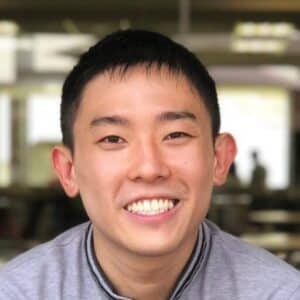
About Me
It took my rabbit about 1.5 years to trust me enough to run around freely. Rabbits are prey animals. A dog will lick a stranger on day one; a rabbit makes you earn it.
I think that’s true of most good things, including everything below.
Growing up
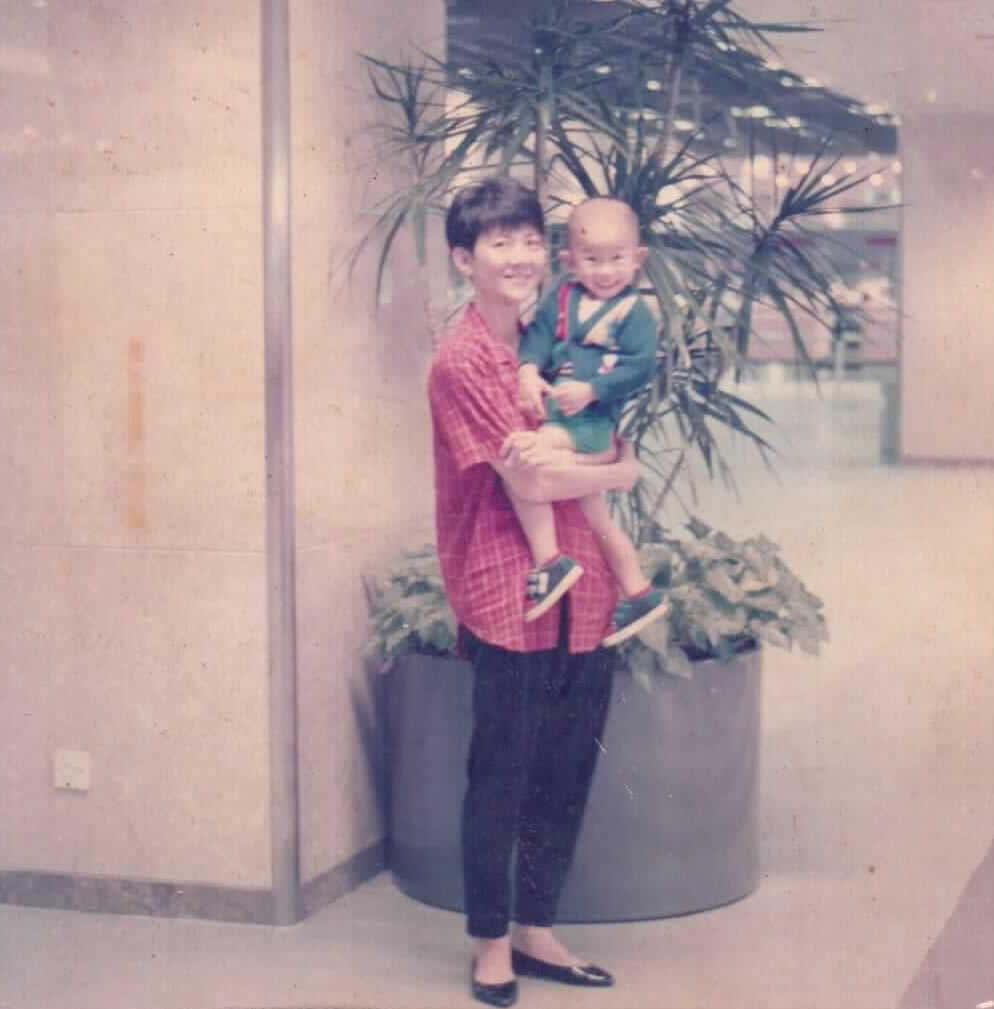
I’m a single child, born in Singapore, and the only one in the Fok family who can pass on the surname. I got a lot of special treatment as the “golden grandson”, and it gave me a strong sense of entitlement that took years to unlearn. That’s my favourite aunty in the photo. She took care of me a lot when I was small.
Primary school was a rough start. I was part of an ethnic minority there, and I picked up habits early that I only began to change properly in my mid-20s.
The advice back then was the same every day: study hard, work hard, listen to the teacher. Bad grades were met with punishment, which was the norm. Schools today review the test with the child, find the gap and give support, and I think that’s much better. It also makes me feel old.
It left me with one belief I still hold. When something goes wrong, I don’t start by blaming myself. I look at what’s actually happening outside me first, then at the part I can change. Most of the time the part I can change is small, and that’s fine.
What I care about
My parents, and seeing them as much as possible.
Evenings and weekends. They’re for family and rest, because you can’t keep going without your health paying for it.
Making slightly more than enough for my parents and me to enjoy life. Not a lot more.
I travel when work needs me to, and I like it when it does. Being in another country is the fastest way I know to understand why people there behave the way they do.
Selling things, badly at first
My very first job was selling Christmas cards, about $5 each. I walked out of the office with a box of them, talked to people all day, and sold absolutely nothing.
I also sold donation tickets for a while. Less than 50% of the ticket price reached the organisation, and that never sat right with me.
At 18, the youngest age you can register a business in Singapore, I started my first one. It was a forex course with some trainers: my first digital product, and the first sales pitch I ever wrote. I still use the same research process today. After a few runs I wanted to invest in a better product and learn from better traders. They wanted to run more courses. I left with nothing. The business went on to make maybe $250-300k in course fees over the next 2 years.
I got 0.
I taught tuition at around $30 an hour. I recommended a friend for the other subjects and he got $40. I asked for the same and they said no. I never mentioned I had better grades than him in every science and maths subject. I like to be valued for what I can do.
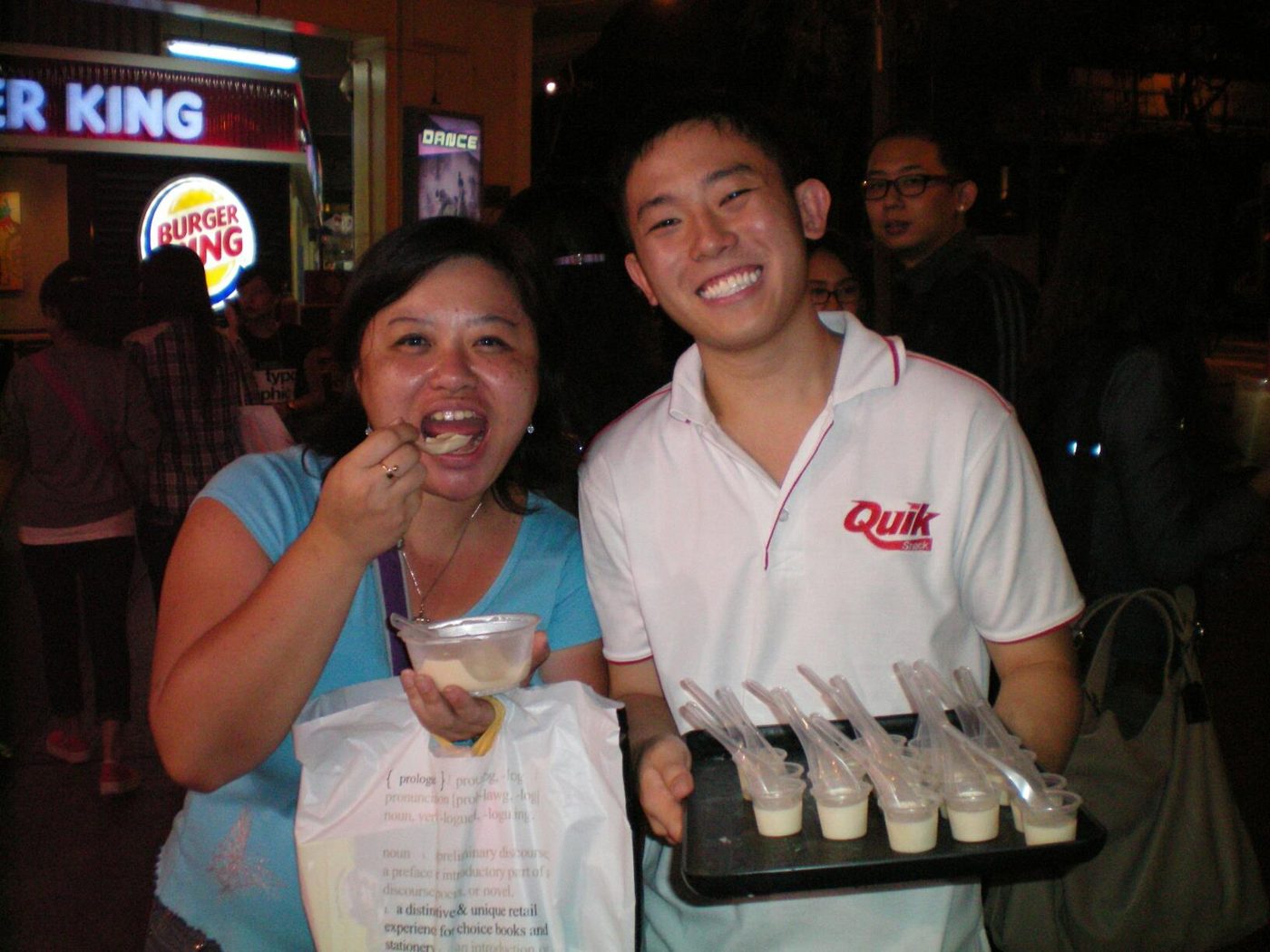
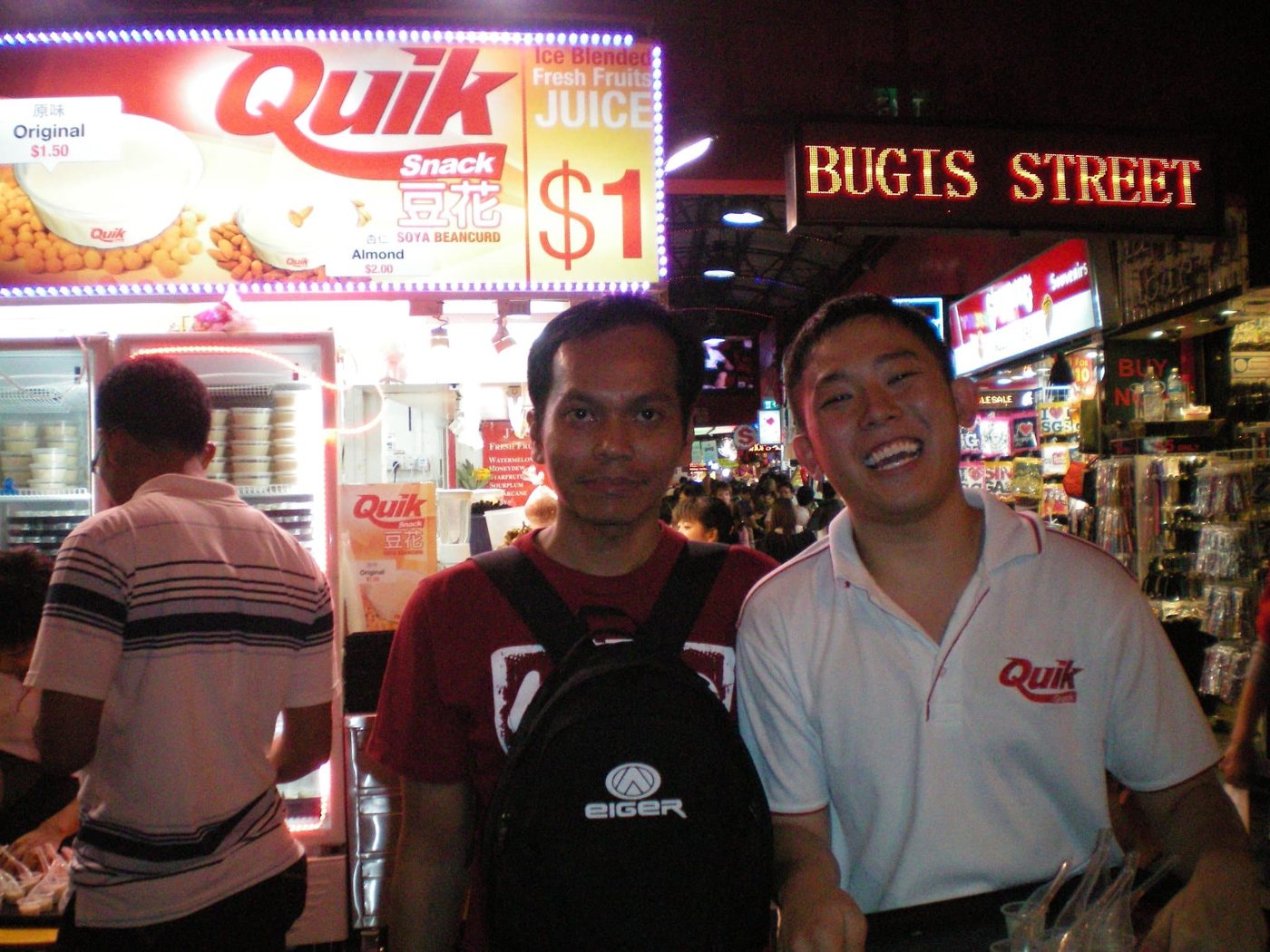
Then a beancurd stall. I raised about $50-100k and lost most of it to rent and bills. Thin margins, heavy manual work, long days. It was one of the hardest stretches of my life, and the people who backed me were kind about it. I won’t go into F&B again.
A few years of poker
Poker taught me to think methodically and to take calculated risks under pressure instead of emotional ones.
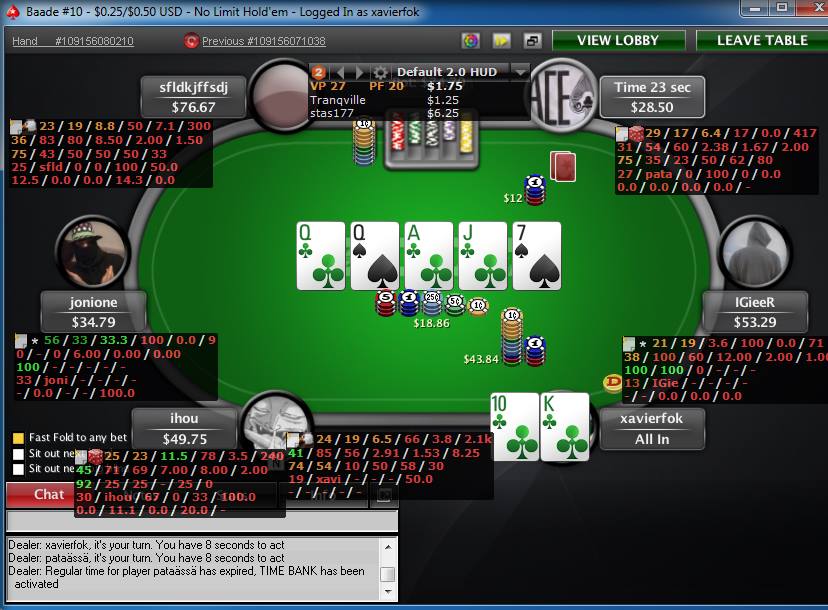
That’s a royal flush. It happened maybe 2-3 times in my life.
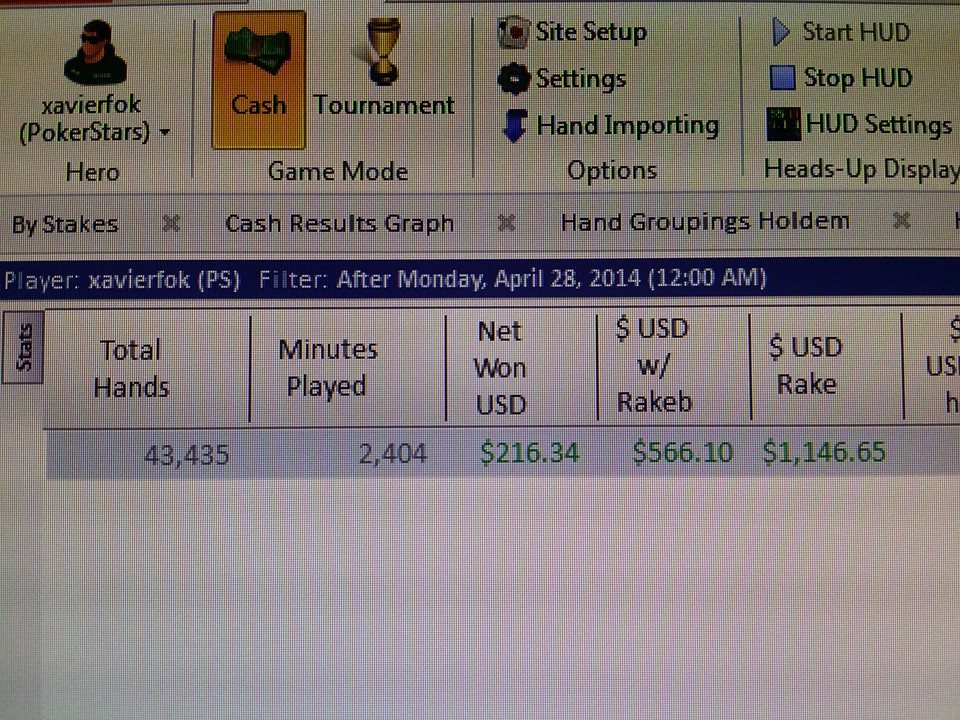
Statistics from a hand tracker.
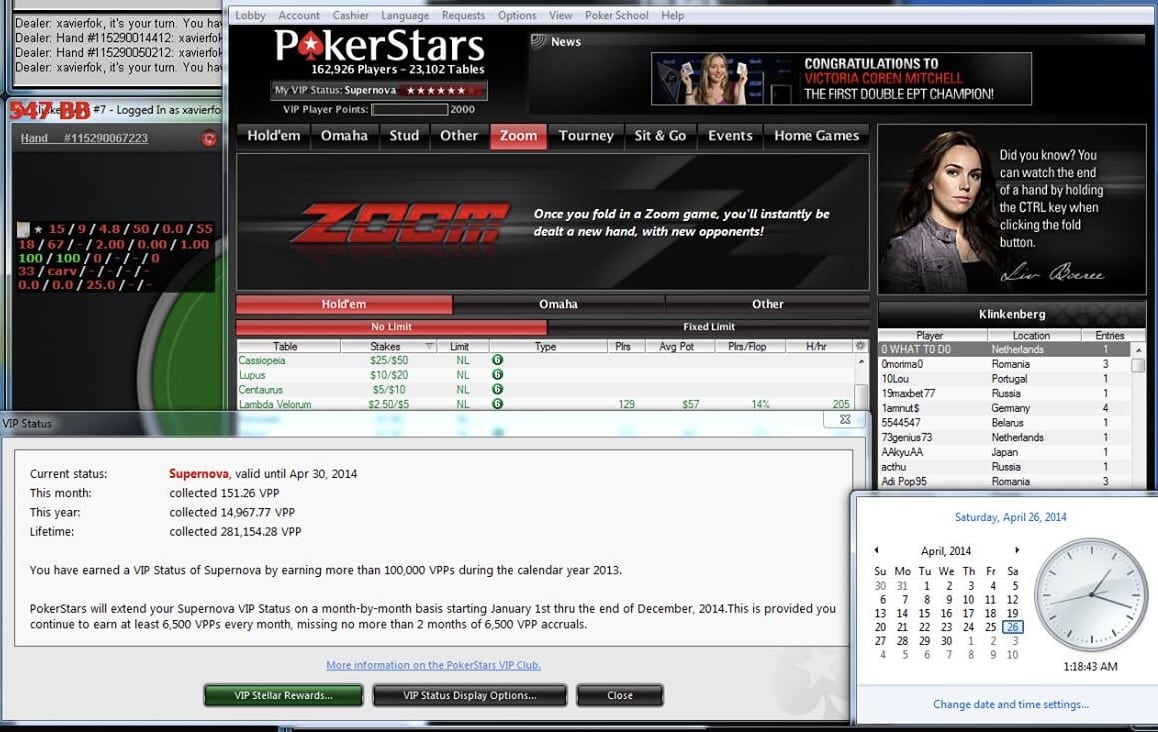
That’s the Supernova status I was so proud of. I was still ranked the lowest among my friends.
Bangkok
I started dabbling in digital marketing around 2012. I joined the Warrior Forum, bought their special offers and tried to sell my own. I built an email list, rented a server I didn’t need, filmed videos nobody watched and spent a lot on courses. No luck.
In 2013 I needed a fresh start, and I said yes when friends invited me to Thailand.
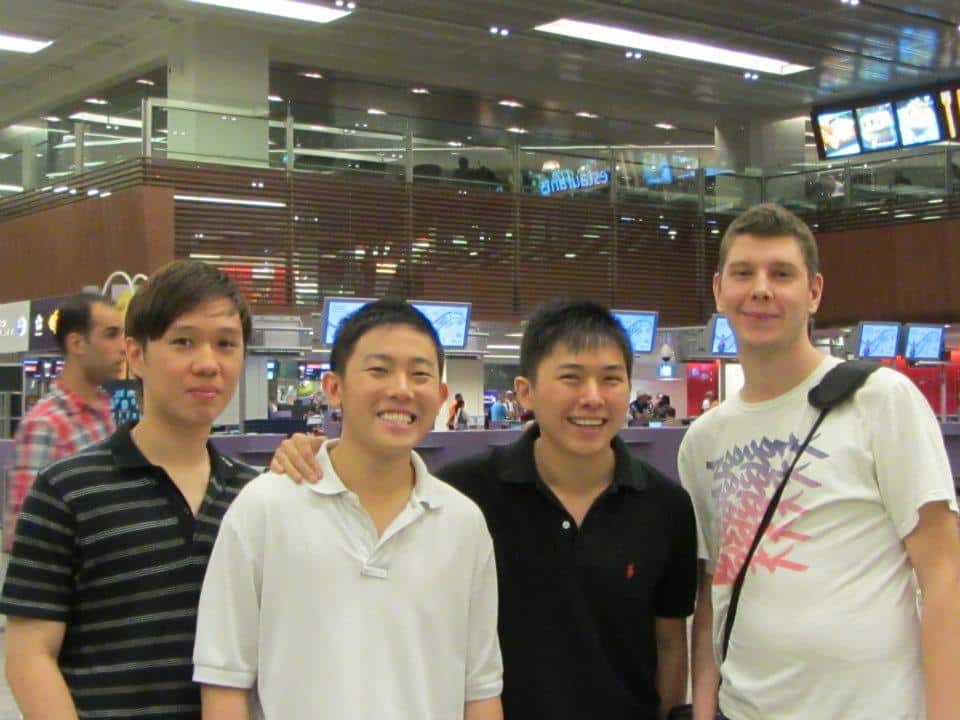
Right before I left Singapore with them. I had no idea what was about to happen.
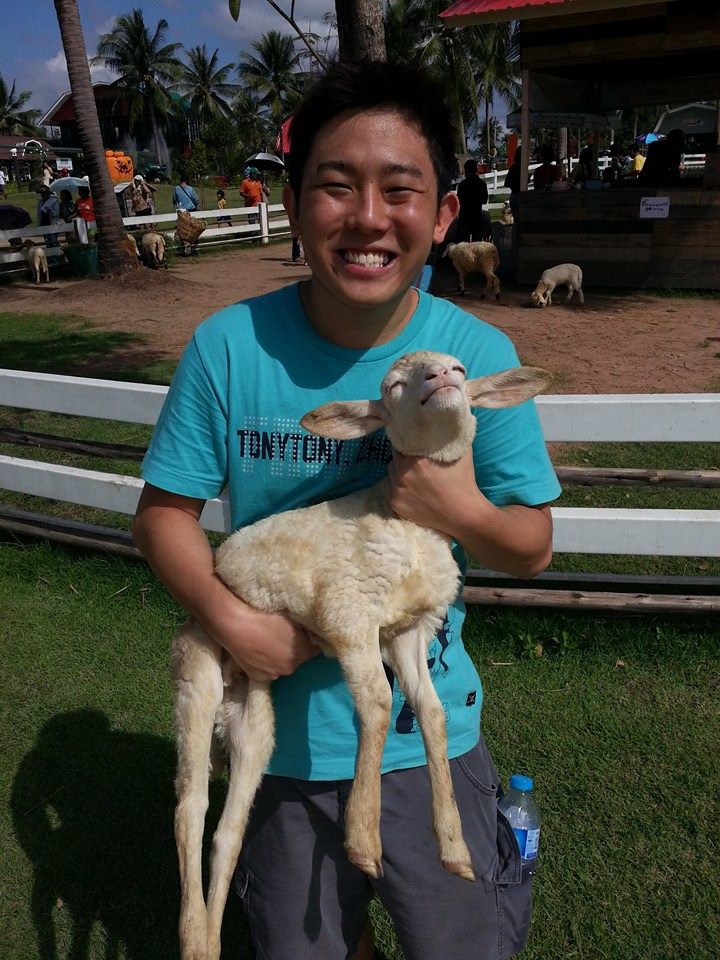
No, I’m not choking the sheep. She’s very comfortable and well supported.
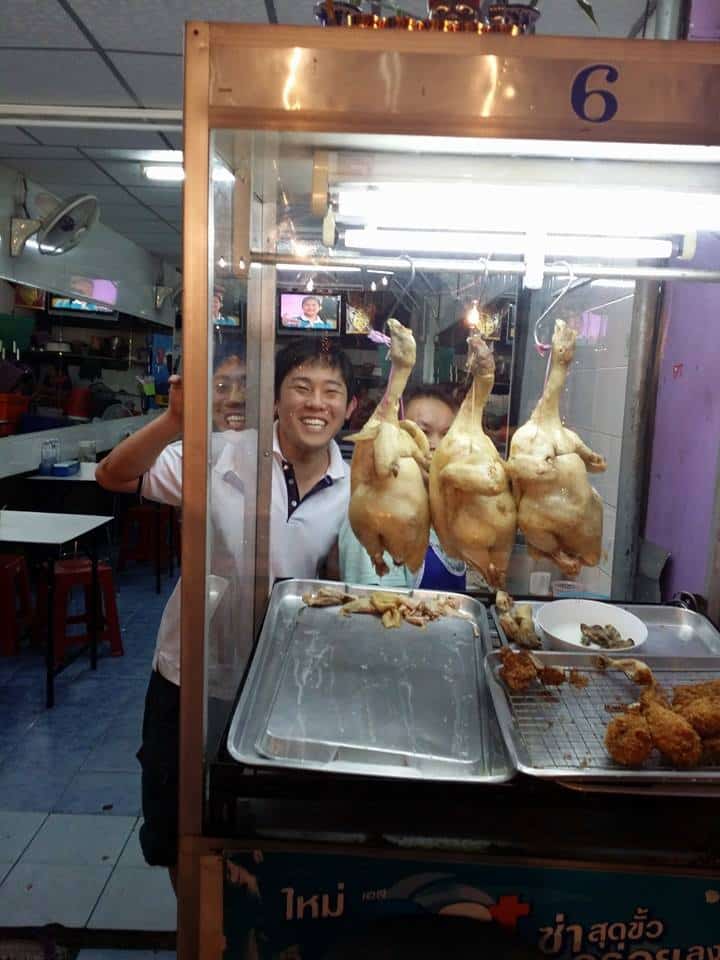
One of my first Thai chicken rices. I went back a few times and the magic never came back. I think it was the whole experience more than the food.
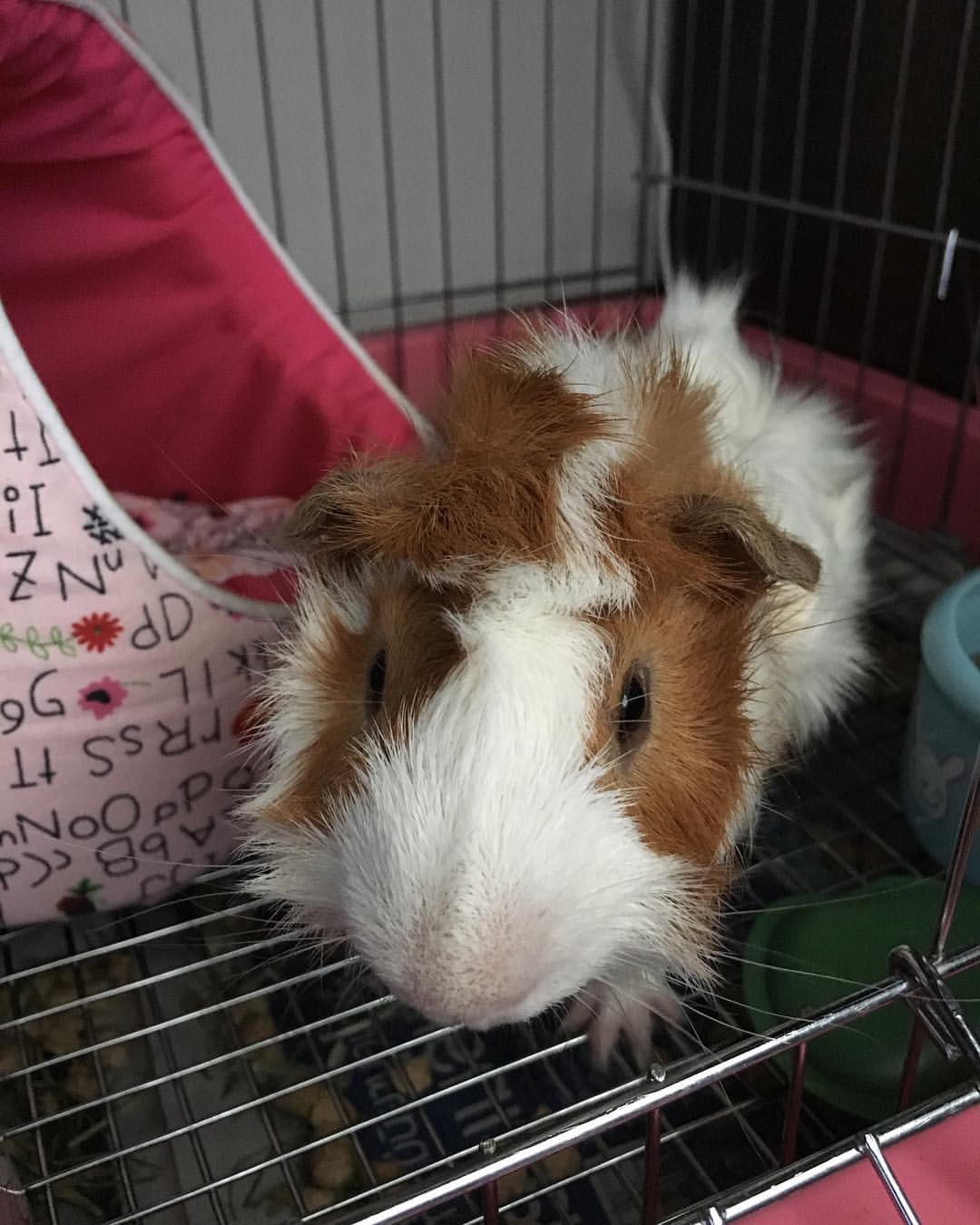
I also had a guinea pig there. It made really lovely wheeking sounds.
The first thing that actually worked came around 2014. A friend flying from Singapore to Bangkok sat next to someone doing affiliate marketing, and that conversation led me to a forum called Stack That Money. I bought advertising to promote other people’s products and earned a commission. Pop-up ads were everywhere then. Over about 2 years I bought around US$500,000 in ads and did around US$800,000 in revenue, before staff costs.
There was a group of expats in Bangkok making a living from their laptops. I thought that was the coolest thing in the world, and I jumped in. Online selling wasn’t common yet. We tried almost every marketing tool we could afford and ended up running a full brand of our own, Stickeebra, with product R&D, quality control, customer service, fulfilment and warehousing.
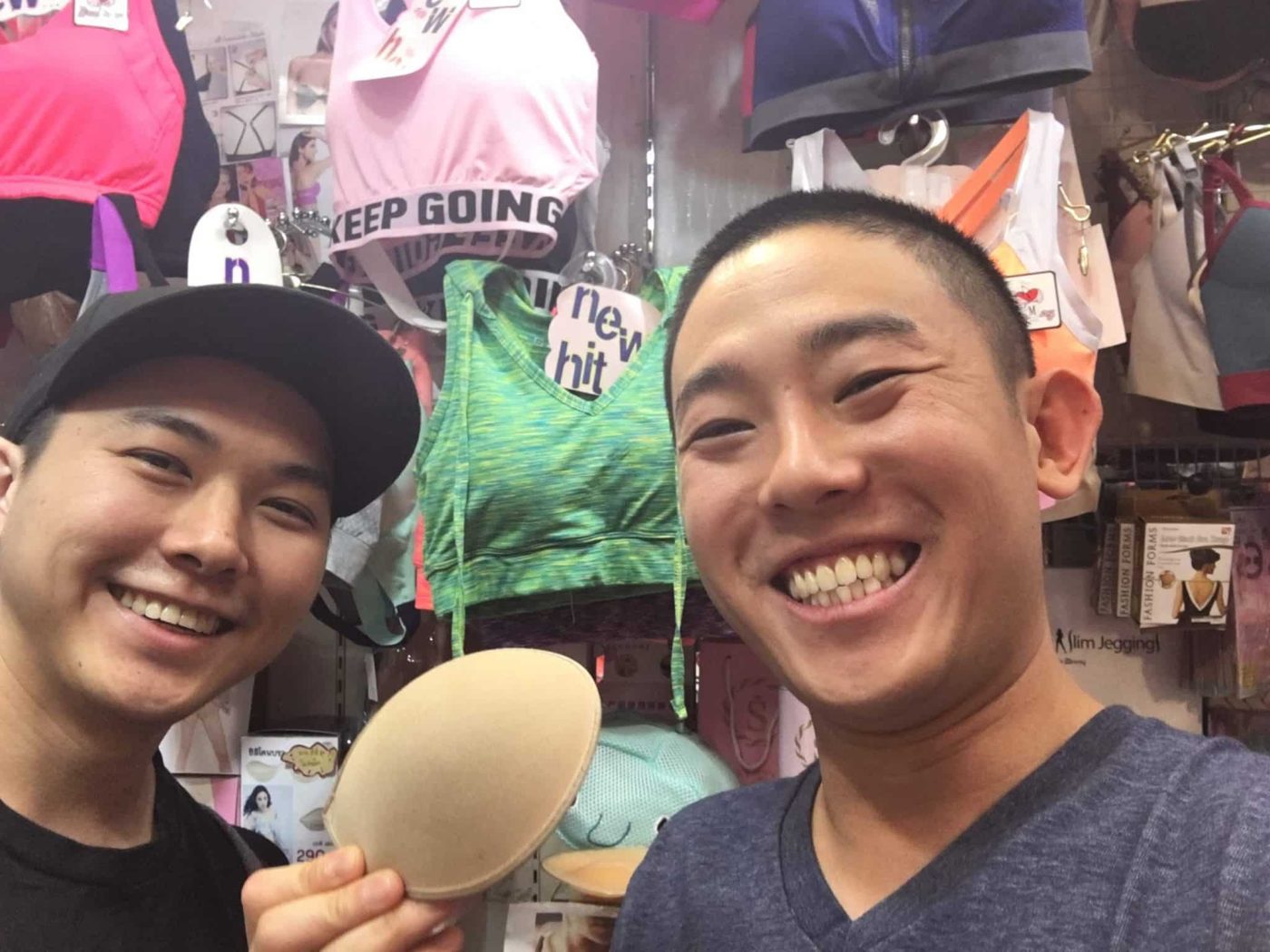
When the China factory closed for Chinese New Year, we bought stock at Pratunam market so orders still went out.
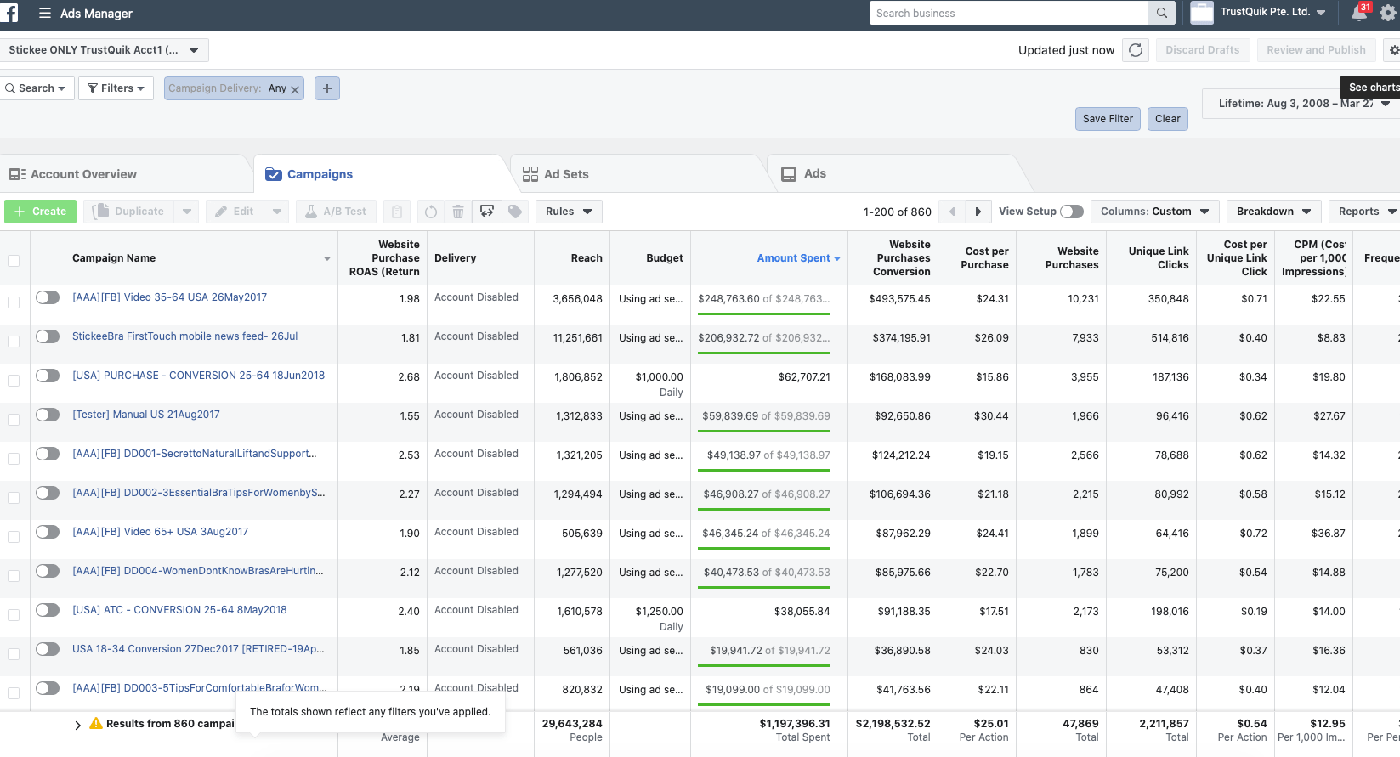
These are some of the ads we ran on Facebook.
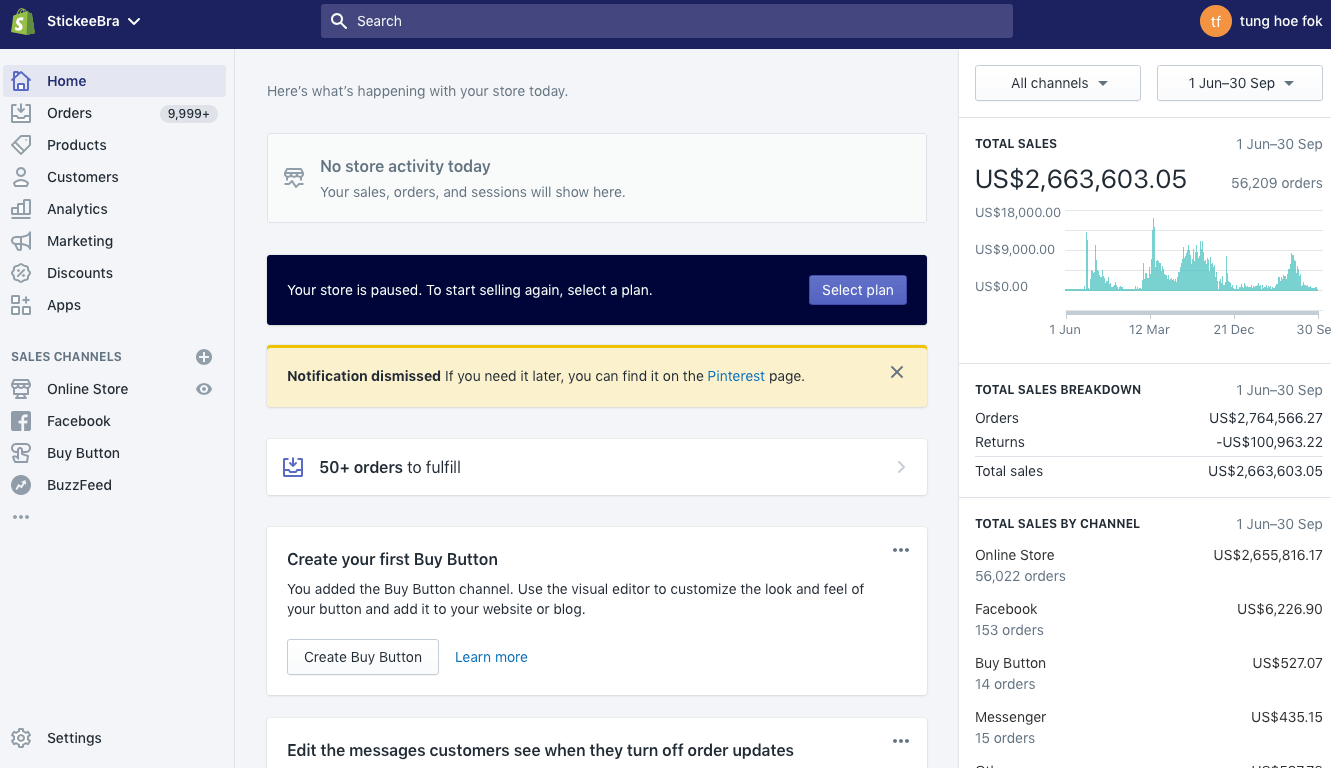
And the store. Stickeebra did US$2.66M in sales across 56,209 orders.
Then competitors arrived with modified versions of our ads, and some found better bras in China than we had. Ad prices went up and the profit dried up. The lesson I took home: in the end it comes down to the product and the price. Marketing shows people how good a product is. If it isn’t good, marketing only helps you fail faster.
My mentor told me advertising should be no more than 10% of revenue. We were at close to 40% in our best period, and it went as high as 50-60%. He was right.
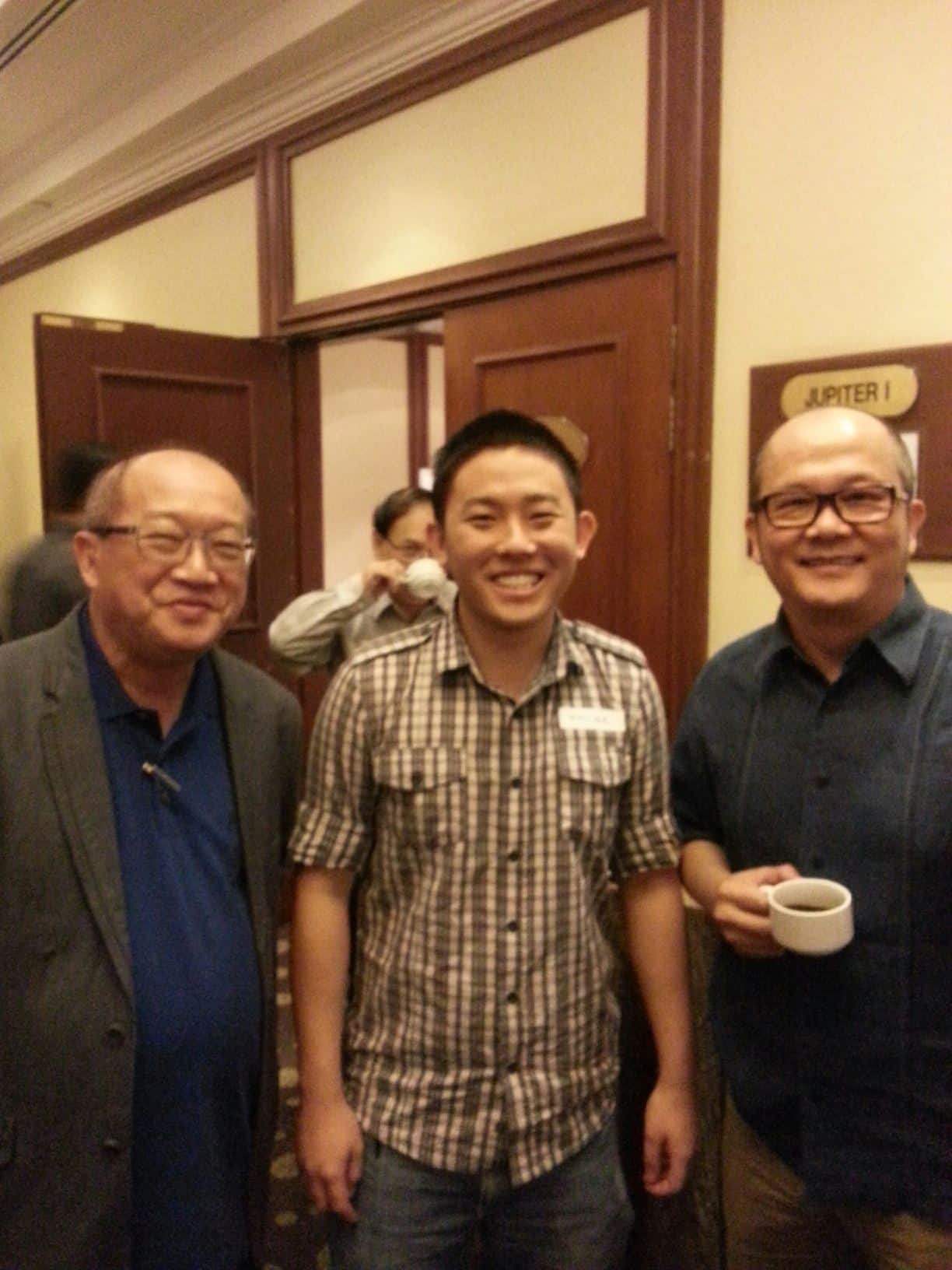
Boyd Au on the left, Ron Sim on the right.
When I came back to Singapore, one question stayed with me: what were the successful businesses doing that I wasn’t?
Content, and Ally Media
Ads give you a quick return and huge reach. They also stop the day the budget stops. Content builds a relationship over time, and people can still find it years later. Some of my oldest blog posts still get traffic.
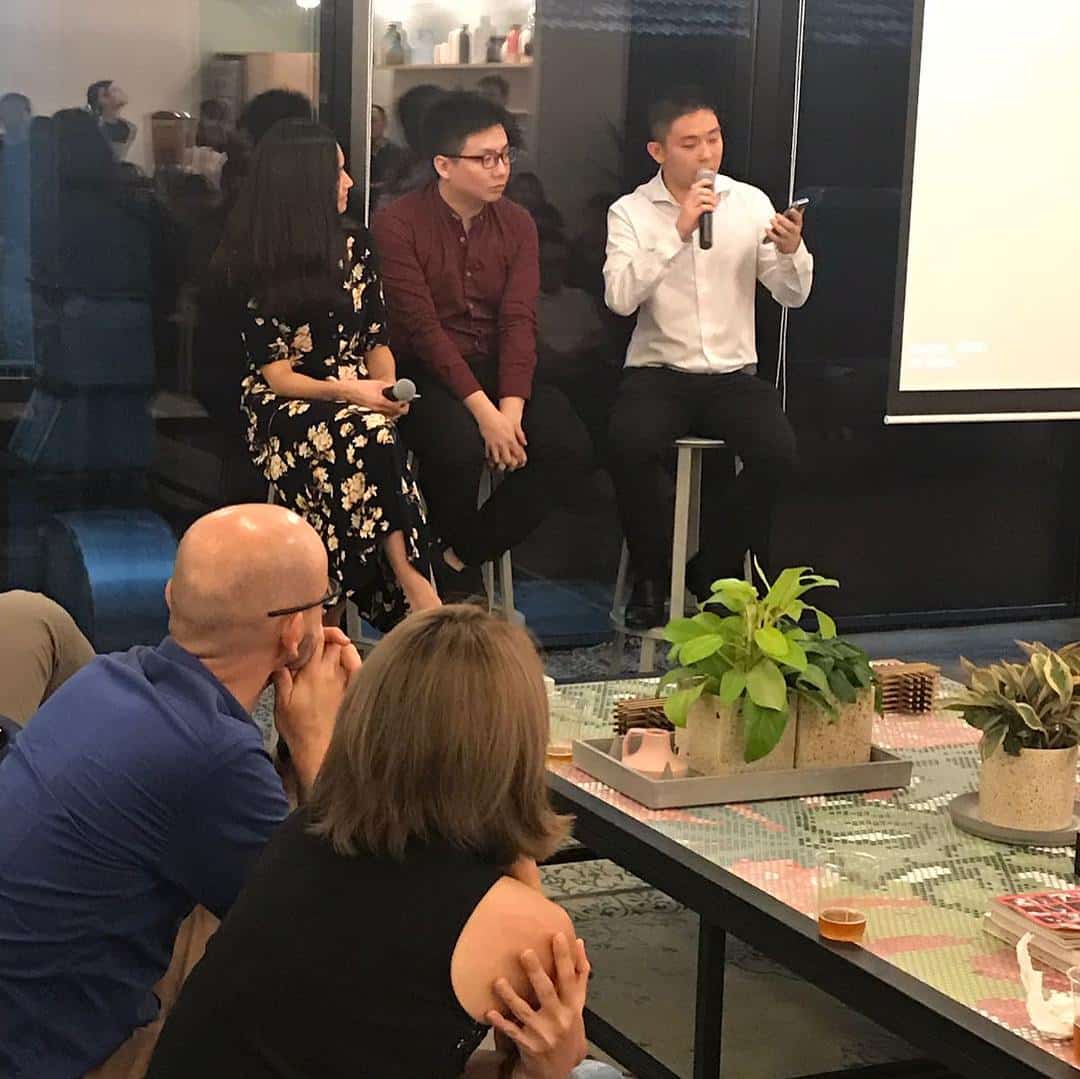
So from 2018 we started making content on YouTube and Facebook, and in 2020 we found TikTok and focused there. I co-founded the digital marketing firm Ally Media, gave some talks and slowly built a profile. This is a panel at a Shopify event.
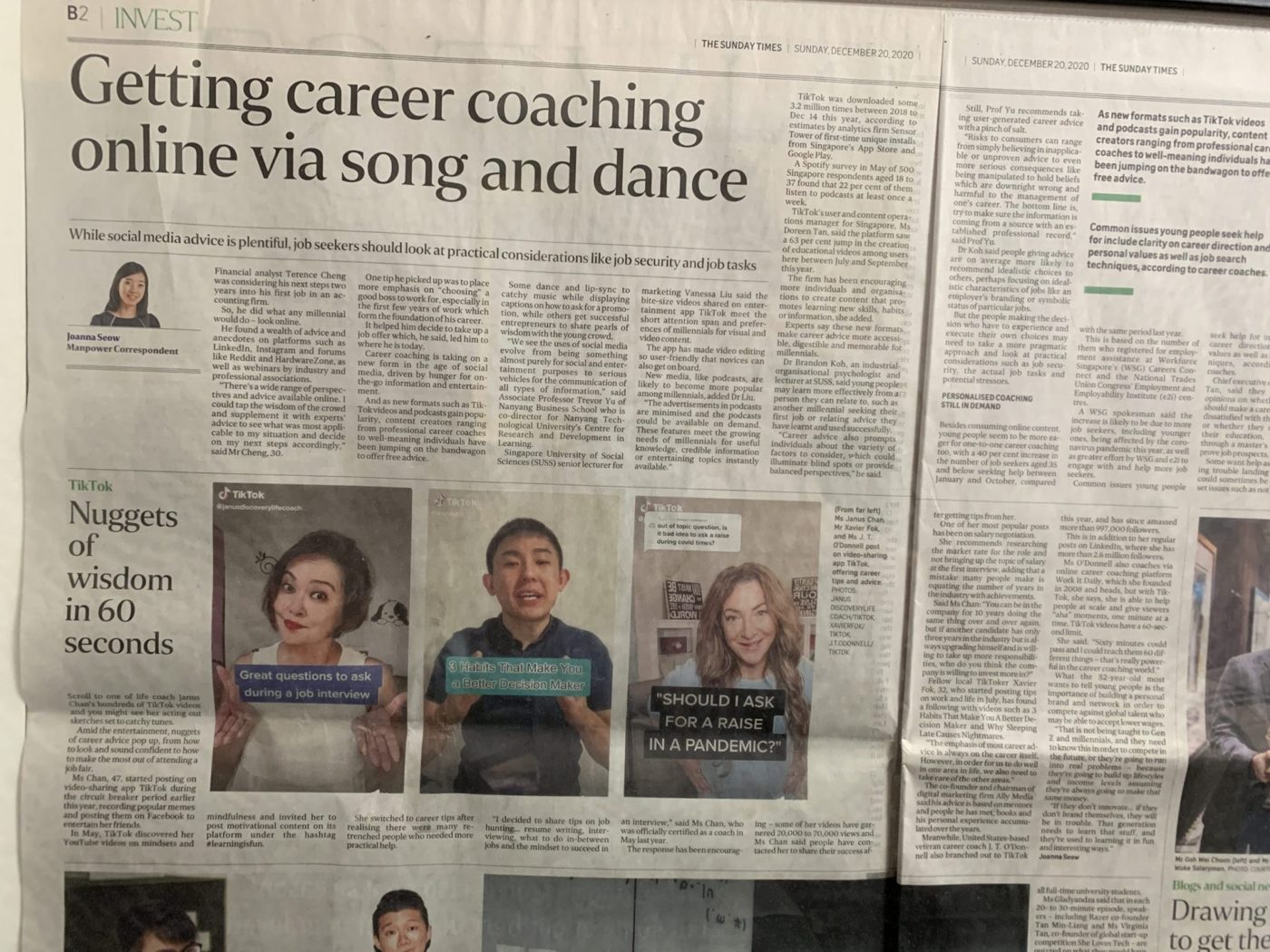
We helped several clients build their brands on TikTok. The Sunday Times featured my videos in December 2020.
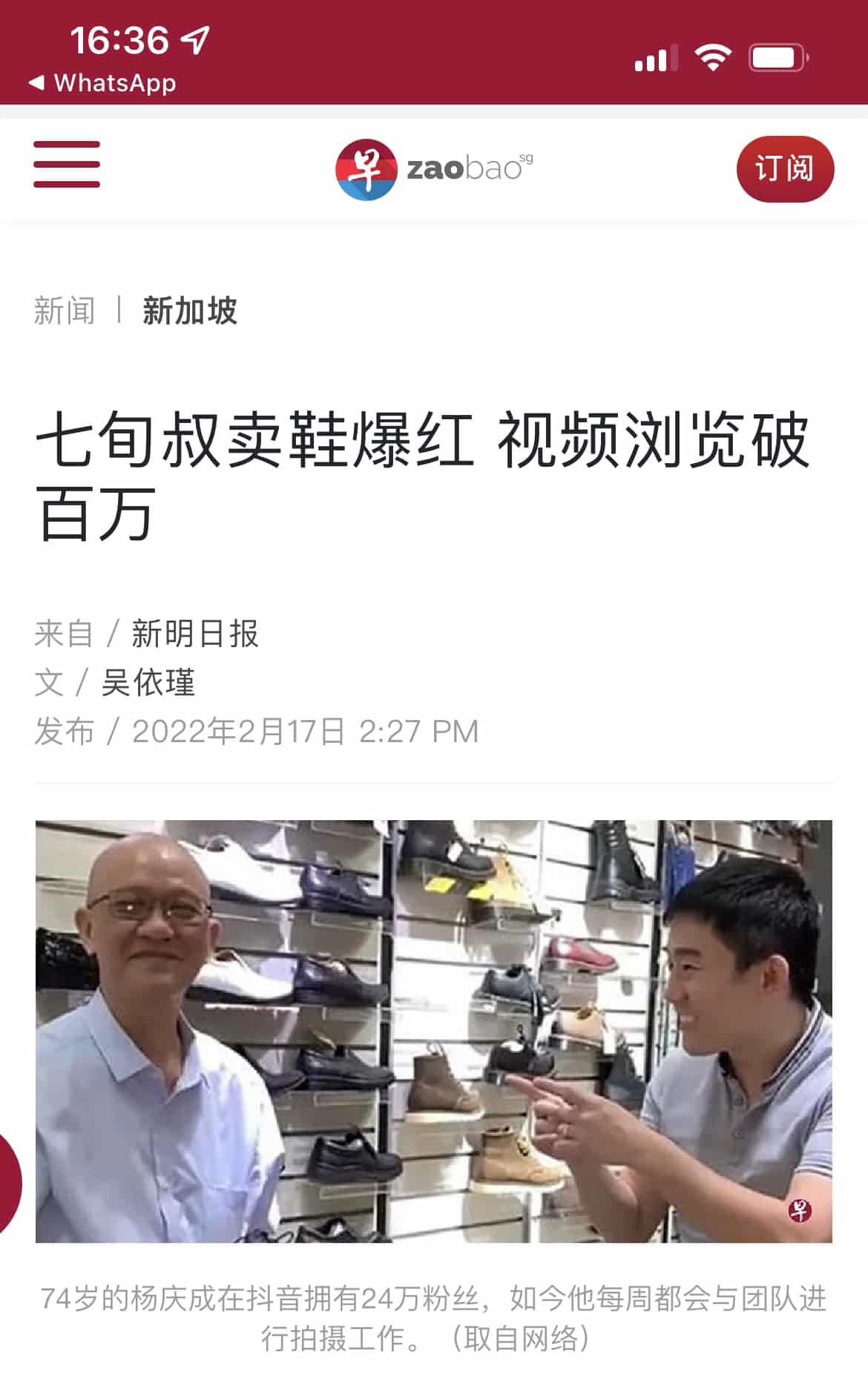
One client, 74-year-old Mr Yeo, grew to 240k fans, and Zaobao wrote about him.
Content is slow. From what I’ve seen and heard on podcasts, you usually get your money back around 1.5-2 years in. At 2 years you haven’t earned anything yet, you’ve only broken even, but you have momentum. It took me 4-5 years to be fully convinced it was the right move.
Our best return came from our own service: setting up clients’ social accounts and handling filming, scripts, editing and posting. In Singapore we call that “bao ka liao”, we cover everything. Honestly, I’d rather do only the part I’m good at and hand the rest to someone better. I haven’t found the way to do that yet.
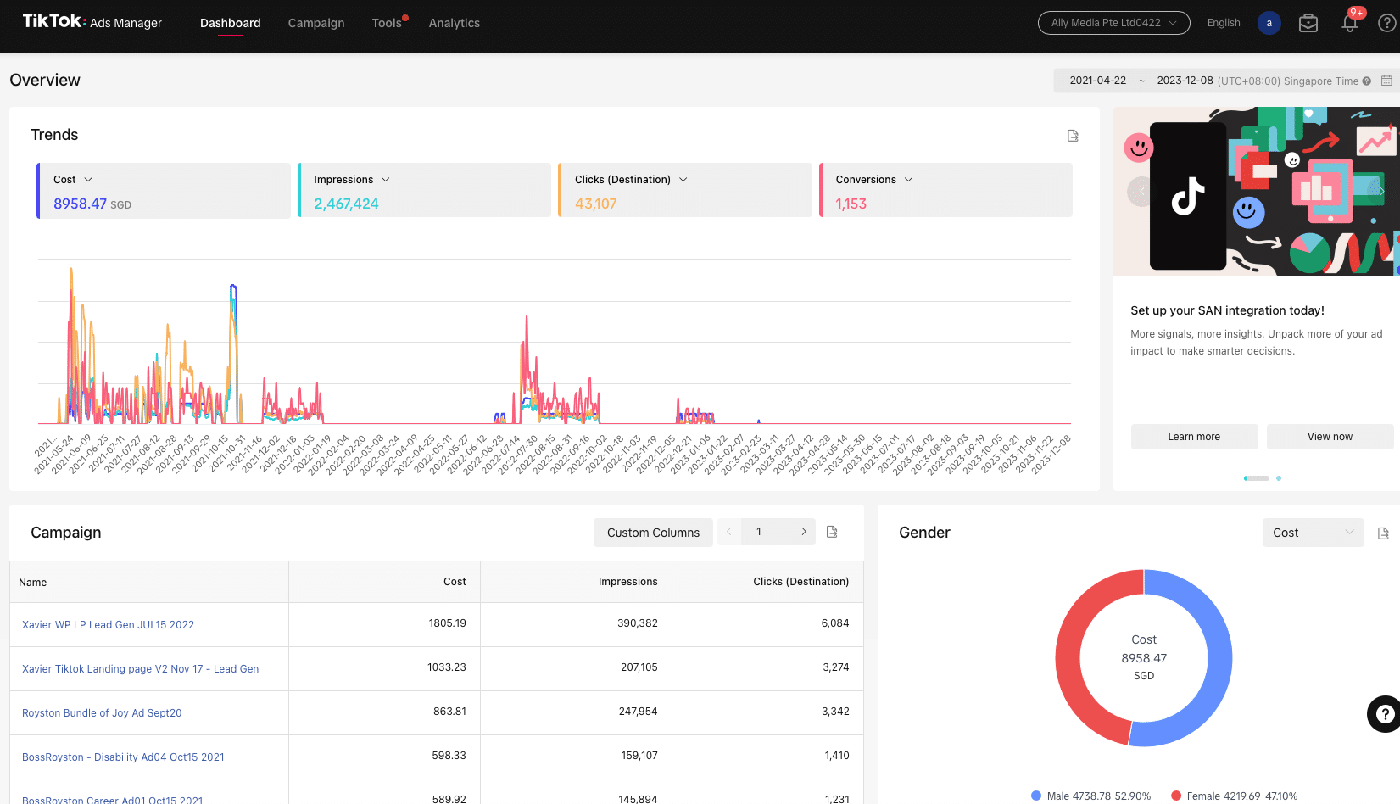
We spent around S$8.9k on TikTok ads and brought in S$250k in sales. That’s about 20x return on ad spend, and it would be misleading to stop there. It worked for two reasons:
- It’s a high-value service. Courses and services that cost more than $1k tend to see numbers like this.
- People had been watching us post for 2 years before we ran a single ad. They weren’t meeting us for the first time.
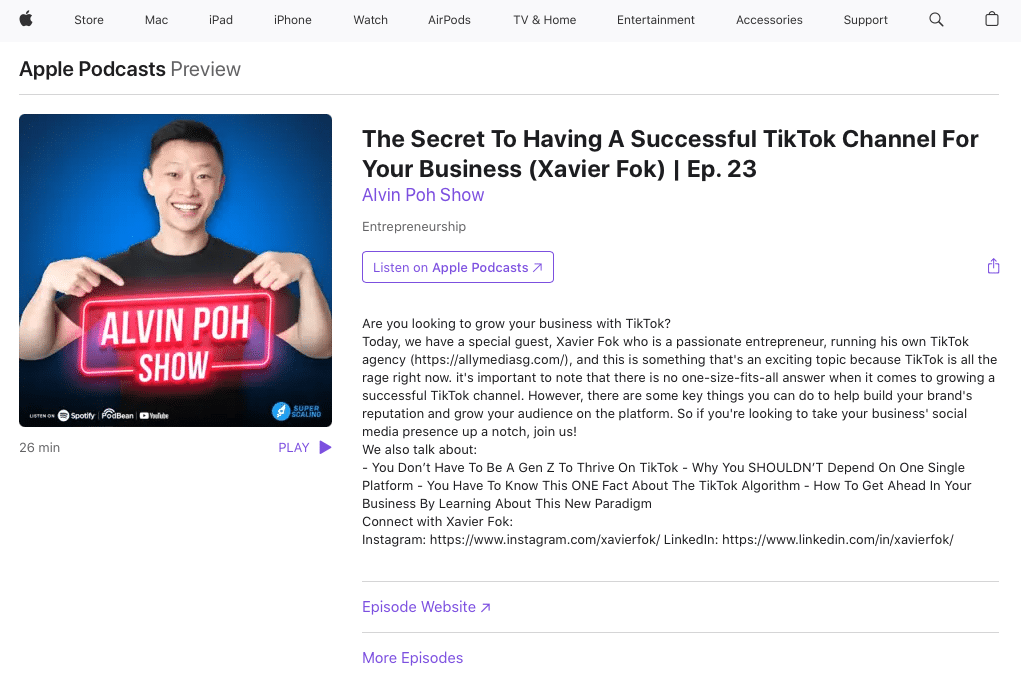
Alvin Poh built and sold a server hosting company, and around 2021 he started an academy to help others grow. I read his book and took his course, and at a time when very few people cared about TikTok, he invited me onto his podcast. Two things from his course stuck:
- Be intentional. Know exactly what you’re trying to achieve.
- Review regularly.
Now
These days I run a one-person business with AI and a small VA team, and I keep my costs low, from servers to living expenses, so there’s less financial pressure. I write about what I build, what it costs and what breaks. This is a live blog, so it keeps growing.
What I’m working toward is content around high-value, niche things, the kind that are rare enough that crowds don’t rush in.
A few things I can bring to that:
- I speak and write Chinese. It’s opened doors with China-related companies that many people can’t walk through.
- I can sell and present, online and offline, but only things I truly believe in. I listen for the client’s real concern and answer that.
- I understand how the different parts of a business work together, so I can work across teams.
If any of this is useful to you, I’d love to hear from you at hello@xavierfok.com.